Throughout the logistics hubs, food distribution arteries, and cold-chain corridors of Fort Wayne and Allen County—from mega cold storage facilities along Interstate 69, US-30, and Ardmore Avenue to perishable food staging hubs near Ferguson Road, Baer Field, and New Haven—commercial refrigerated warehouses and blast freezer centers operate under extreme thermal engineering parameters. Over decades of storing frozen proteins, processed dairy, agricultural produce, and temperature-sensitive pharmaceutical inventory, these specialized facilities accumulate immense structural, mechanical, and thermal insulation assets. When cold-chain operators consolidate distribution networks, transition from freon refrigerants to subcritical CO2 systems, or convert legacy refrigerated facilities back into dry ambient warehousing, clearing commercial cold storage assets represents extraordinary demolition complexity, EPA refrigerant recovery compliance, and heavy structural rigging challenges. A standard cold storage facility contains hundreds of thousands of square feet of insulated polyurethane (PUR/PIR) or expanded polystyrene (EPS) wall and ceiling panels, heavy structural drive-in and push-back pallet racking systems engineered for sub-zero steel embrittlement, multi-stage industrial compressor racks (Bitzer, Frick, Vilter), roof-mounted evaporative condensers, floor sub-slab glycol heating loops, and high-speed bi-parting cold storage doors. Junk Harbor delivers complete commercial cold storage cleanouts, EPA-certified refrigerant reclamation, structural racking teardown, and insulated panel demolition across Fort Wayne and Northeast Indiana.
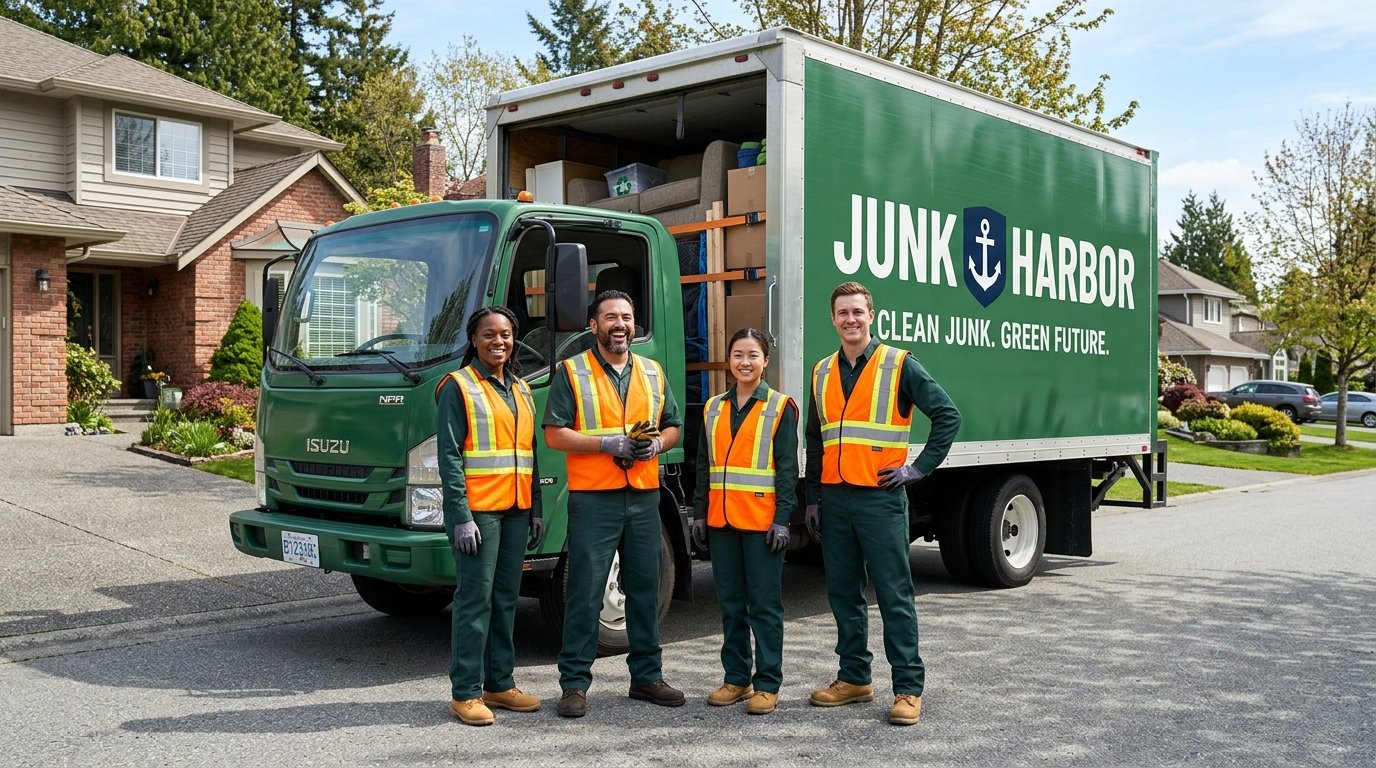
- Full-Service Turnkey Labor: Our uniformed, background-checked specialists handle 100% of the heavy lifting, loading, hauling, and cleanup.
- High-Capacity 16-Foot Box Trucks: Custom hauling trucks holding up to 6 times the volume of standard pickup truck beds, reducing project time and lowering costs.
- Certified Landfill Diversion: Up to 75% of materials diverted through local non-profit charities (Habitat ReStore, Rescue Mission) and certified metal recycling foundries.
- Guaranteed Upfront Pricing: Transparent, volume-based flat rates with zero hidden labor, mileage, or disposal surcharges.
Decommissioning, Demolishing, or Repurposing a Commercial Cold Storage Facility or Refrigerated Distribution Center in Fort Wayne?
Get fast, professional Commercial Cold Storage & Refrigerated Warehouse Cleanout with guaranteed upfront pricing and same-day availability across Northeast Indiana.
The Severe Physical Hazards, Structural Dangers & DIY Financial Audit
1. Super-Pressurized Refrigerant Hazards, Ammonia Toxicity & Freon Asphyxiation
Commercial cold storage plants utilize either direct-expansion ammonia (R-717) or massive central hydrofluorocarbon (HFC/HCFC) freon systems charged with tens of thousands of pounds of high-pressure chemical refrigerants. Decommissioning evaporator coils or compressor skids without certified refrigerant recovery poses extreme life-safety risks. Breaching an ammonia line releases toxic, caustic gas that rapidly induces fatal chemical pulmonary edema, eye enucleation, and skin necrosis. Discharging high-density fluorinated refrigerants (R-404A, R-507) into enclosed freezer vaults displaces atmospheric oxygen, creating an invisible, odorless asphyxiation zone capable of causing sudden asphyxial death in seconds. Junk Harbor coordinates EPA Section 608 Universal certified technicians who utilize explosion-proof vacuum recovery units and DOT-certified recovery cylinders to completely evacuate all refrigerants, maintaining continuous 4-gas and halide leak detection throughout demolition.
2. Severe Sub-Zero Steel Embrittlement & Catastrophic Racking Collapse
Structural drive-in, drive-thru, and push-back pallet racking in sub-zero blast freezers (operating continuously at -10°F to -40°F) undergoes severe metallurgical thermal fatigue and ductile-to-brittle transition. When cold storage rooms are thawed prior to demolition, thermal expansion and condensation cause sudden structural stress shifts in anchor bolts, baseplates, and upright columns. Unbolting cold-stressed racking without engineered sequential shoring can trigger progressive dynamic collapse, where thousands of pounds of heavy structural steel cascade across warehouse bays. Junk Harbor rigger-demolition teams execute step-by-step top-down racking disassembly using scissor lifts, telehandlers, and safety taglines, ensuring zero structural instability during unbolting.
3. Massive Combustible Insulated Metal Panel (IMP) Fire & Toxicity Hazards
Cold storage room envelopes are constructed from interlocking insulated metal sandwich panels featuring rigid expanded polystyrene (EPS) or polyurethane foam cores bonded between galvanized steel skins. When unbolting or torch-cutting wall and ceiling panels, high-heat operations can instantly ignite exposed foam cores. Burning polyurethane releases dense, highly toxic smoke laden with hydrogen cyanide (HCN) and carbon monoxide (CO), creating fatal atmospheric environments. Junk Harbor enforces strict non-thermal cold-cutting methodologies: we deploy specialized electric panel saws, nibblers, and hydraulic shear attachments, completely eliminating open flames and hot-work sparks during insulated panel extraction.
DIY Self-Hauling vs. Junk Harbor Professional Full-Service: Comprehensive Cost Audit
Property owners often assume renting a box truck or utility trailer is significantly cheaper than hiring a professional cleanout crew. However, when evaluating the itemized financial balance sheet of a DIY project, the hidden expenses rapidly accumulate:
| Expense Category | DIY Rental & Self-Haul Approach | Junk Harbor Full-Service Solution |
|---|---|---|
| Vehicle Rental & Mileage Fees | $120–$180/day base rental + $1.19/mile + $45 collision damage waiver | Included (Custom 16-ft high-capacity box truck with liftgate) |
| Fuel & Travel Expenses | $35–$65 (Multiple round trips to transfer stations across Fort Wayne) | Included (All regional travel and transportation covered) |
| Allen County Transfer Station Tipping Fees | $65–$95 minimum per ton + $30 special item surcharges (tires/Freon/mattresses) | Included (All dump, transfer, and recycling fees covered) |
| Specialty Equipment & Safety PPE | $80–$140 (Heavy-duty moving dollies, straps, heavy gloves, respirators) | Included (Commercial rigging tools and PPE provided) |
| Personal Time & Physical Labor | 16–24 hours of grueling weekend manual labor and heavy lifting | Zero Labor (Completed in 1–3 hours by our professional crew) |
| Risk of Property Damage / Injury ER Bills | High (Drywall punctures, chiropractic care, floor refinishing) | Zero Risk ($2,000,000 General Commercial Liability Coverage) |
Exhaustive Item Classification & Disposal Feasibility Breakdown
| Cold Storage Asset Category | Primary Material Composition | Average Weight / Quantity Range | Disposal / Recycling Pathway | Rigging & Removal Methodology |
|---|---|---|---|---|
| Structural Drive-In / Push-Back Racking | Heavy structural carbon steel, cold-rolled uprights | 50,000–350,000 lbs per facility | Direct industrial steel foundry recycling / resale | Engineered top-down unbolting + forklift bundling |
| Insulated Metal Wall & Ceiling Panels (IMP) | 24-gauge steel sheet with polyurethane/EPS core | 25,000–180,000 sq ft (3–8 lbs/sq ft) | Metal skin strip recycling / specialized foam disposal | Cold-cut seams + scissor lift rigging + strap bundling |
| Industrial Refrigeration Compressor Racks | Cast iron compressor blocks, steel frame, copper piping | 8,000–28,000 lbs per skid | EPA-certified refrigerant recovery + alloy foundry salvage | Refrigerant evacuation + 25-ton toe jacks + skate rollout |
| Roof-Mounted Evaporative Condensers | Galvanized steel casing, copper/stainless cooling coils | 6,000–22,000 lbs each | High-grade non-ferrous and structural steel smelting | Crane rooftop pick + flatbed transport + ground rigging |
| Sub-Zero Bi-Parting & High-Speed Doors | Insulated polyurethane core, heavy track, 480V motors | 1,200–3,500 lbs per door opening | Mechanical scrap salvage / warehouse equipment brokerage | Electrical LOTO + counterbalance spring release + hoist pick |
Turnkey Thawing, Moisture Management & Sub-Floor Frost-Heave Remediation
Decommissioning a commercial cold storage facility requires an engineered thermal thawing strategy. Shutting off refrigeration abruptly causes condensation to deluge walls and concrete slabs, saturating drywall, destroying electrical busways, and causing structural ice melt flooding. More critically, deep sub-slab soils beneath blast freezers often harbor massive permafrost frost bulbs. If sub-floor glycol heating grids are decommissioned improperly, thawing subterranean ice can expand unevenly, causing severe concrete floor heave, foundation fracturing, and structural column dislocation. Junk Harbor develops controlled thermal staging protocols: we operate industrial dehumidification arrays and controlled temperature elevation programs, ensuring the building envelope dries systematically while preventing structural concrete fracture.
Industrial Ammonia & Freon Refrigerant Recovery Compliance in Allen County
Both the Indiana Department of Environmental Management (IDEM) and EPA Region 5 enforce stringent clean air regulations regarding commercial refrigerant handling. Venting R-22, R-404A, R-507, or anhydrous ammonia carries catastrophic regulatory fines exceeding $50,000 per violation day. Junk Harbor guarantees full regulatory compliance: our EPA-certified refrigeration engineers recover every ounce of refrigerant into certified vacuum cylinders, verify zero atmospheric pressure across all header manifolds, and provide comprehensive EPA Section 608 destruction and transfer certificates for commercial facility owner audit archives.
High-Bay Pallet Racking Dismantling & Floor Anchor Grinding
Drive-in and high-bay pallet racking structures in commercial cold storage facilities frequently rise 30 to 45 feet, anchored into high-density fiber-reinforced concrete slabs with heavy-duty wedge anchors. When vacating leased distribution space, landlords enforce strict lease return clauses requiring all anchors to be removed and floor voids patched with high-strength non-shrink epoxy grout. Junk Harbor rigger-crews systematically lower upright frames using telehandlers, extract anchor studs or grind them 1/2-inch below slab grade with diamond cup wheels, and install polymer-modified hydraulic cement patches, leaving a mirror-smooth floor ready for immediate tenant turnover.
The Step-by-Step Complete Removal & Teardown Protocol
Phase 1: Refrigerant Evacuation, Electrical LOTO & Structural Survey
Certified refrigeration specialists evacuate all freon or ammonia systems, while our master electricians execute Lockout/Tagout on 480V compressor feeds, condenser pumps, and evaporator blower circuits. Project engineers inspect racking integrity and map out engineered rigging paths.
Phase 2: Racking Deconstruction & Overhead Evaporator Rigging
Demolition crews utilizing electric boom lifts and scissor lifts systematically disassemble high-bay pallet racking from top to bottom, uncoupling wire decking, load beams, and anchor brackets. Suspended ceiling evaporator units are lowered using material lifts and dual winch rigging.
Phase 3: Insulated Panel Cold-Cutting & Perimeter Demolition
Specialists dismantle insulated metal panels (IMPs) using non-sparking hydraulic shears and electric nibblers. Panels are cleanly unbolted from structural steel girts, stacked, and strapped on flatbeds for material reclamation and processing.
Phase 4: Floor Anchor Flush Grinding, Concrete Patching & Final Sweeping
Riggers extract floor anchor bolts, grind residual studs flush with the concrete surface, and fill core holes with fast-setting industrial epoxy grout. The entire warehouse receives an industrial magnetic sweep and power scrubber washdown.
Allen County Solid Waste Regulations, IDEM Compliance & Legal Indemnification
In Northeast Indiana, solid waste transportation, commercial dumping, and property cleanout activities are governed by strict regulatory frameworks established by the Indiana Department of Environmental Management (IDEM) and the Allen County Solid Waste Management District (ACDEM). Understanding these municipal requirements is crucial for property owners, estate executors, and businesses to ensure full legal compliance and avoid severe municipal code violations.
The City of Fort Wayne Neighborhood Code Enforcement division enforces stringent property maintenance standards under the Fort Wayne Municipal Code. Property owners who stage bulk clutter, structural debris, or non-conforming materials on public curbsides, alleys, or front lawns for more than 24 hours without an official special collection permit are subject to immediate code violation citations. If unaddressed, municipal abatement crews are dispatched to clear the violation at standard city administrative penalty rates (often exceeding $250 per hour plus tipping surcharges), which are attached directly to the property’s Allen County tax assessment as an enforceable municipal tax lien.
Junk Harbor eliminates all regulatory risks and liabilities for our clients. We operate as a fully licensed, state-registered commercial waste hauler carrying comprehensive $2,000,000 General Commercial Liability Insurance and Indiana Workers’ Compensation coverage. Every pound of debris collected during our operations is hauled directly to certified regional transfer stations—including the Allen County Landfill & Transfer Facility on US-30 East and the Republic Services Fort Wayne Transfer Station. Certified weigh-scale manifests and tipping receipts are generated for every load, guaranteeing 100% legal compliance and complete indemnity against improper waste disposal liabilities.
Seasonal Weather Challenges & Property Protection Protocols in Northeast Indiana
The continental climate of Northeast Indiana features dramatic seasonal weather extremes that require specialized hauling logistics, protective equipment, and route scheduling:
1. Spring Thaw & Saturated Soil Operations (March – May)
Spring in Allen County brings substantial precipitation, rapid snowmelt, and rising groundwater tables along the St. Joseph, St. Marys, and Maumee river basins. Soft, saturated lawns and muddy walkways make moving heavy materials treacherous. Junk Harbor technicians lay down heavy-duty composite ground protection tracks across lawns and walkways to prevent tire ruts, mud tracking, and turf root damage during exterior extractions.
2. High-Humidity Summer Heatwaves (June – August)
During the humid summer months, indoor attics, uninsulated garages, and enclosed workshops frequently exceed 125°F. Thermal stress, rapid dehydration, and heat exhaustion present serious health hazards for untrained individuals attempting manual cleanouts. Our specialists operate under structured hydration protocols, utilizing high-velocity portable ventilation blowers, high-output LED work lights, and lightweight breathable protective gear to safely execute cleanouts without delay.
3. Autumn Wind & Storm Debris Season (September – November)
Autumn brings gusty winds, heavy leaf accumulation, and early frost across Northeast Indiana. Our cleanout teams coordinate outdoor and indoor clearing in synchronized stages, utilizing industrial heavy-duty tarps and enclosed box trucks to ensure that loose items, cardboard boxes, and paper goods remain 100% contained and protected against sudden rain showers during loading.
4. Sub-Zero Winter Freezes & Ice Management (December – February)
Indiana winters deliver severe lake-effect snowfalls, freezing rain, and sub-zero temperatures that coat driveways, outdoor steps, and loading ramps with hazardous ice sheets. Our service trucks are equipped with winter all-terrain tires, commercial calcium chloride ice-melt, non-slip ramp treads, and traction footwear. We treat driveways before commencing work and install heavy neoprene floor runners throughout your home to ensure that zero road salt, slush, or freezing moisture is tracked onto your interior hardwood floors or carpeting.
Why Professional Full-Service Hauling Beats Dumpster Rentals in Allen County
When facing a major cleanout or demolition project in Fort Wayne, homeowners frequently debate between renting a steel roll-off dumpster and hiring a full-service junk removal crew. While dumpster rental companies deliver a stationary steel container to your driveway, the burden of labor, property protection, and municipal permits falls entirely on you:
- Driveway Asphalt Cracking & Paver Gouging: Roll-off dumpster delivery trucks drop heavy steel bins weighing up to 6,000 pounds directly onto residential asphalt or pavers, causing structural fractures, oil stains, and ruined driveway aesthetics. Junk Harbor utilizes rubber-tired custom box trucks that distribute weight evenly, ensuring zero driveway stress.
- Unauthorized Neighborhood Dumping: An open dumpster parked on your Fort Wayne driveway overnight invites strangers and neighbors to dump old tires, paint cans, and mattresses into your container, filling your paid volume and exposing you to landfill contamination penalties. With Junk Harbor, all debris is loaded directly into our secure truck and driven away immediately upon job completion.
- Zero Physical Labor & Faster Completion: A dumpster sits on your driveway for 7 to 10 days while you spend exhausting evenings carrying heavy items down stairs and loading bins. Junk Harbor’s uniformed two-man crew completes the entire extraction, heavy lifting, and final broom sweeping in 2 to 4 hours.
Property Value Protection, Interior Architectural Preservation & Damage Prevention
Whether navigating historic Craftsman homes in West Central or modern executive estates in Aboite Township, protecting residential architecture is a core pillar of Junk Harbor’s operational standards:
1. Neoprene Surface Protection & Stair Tread Runners
Polyurethane hardwood finishes, imported travertine tile, and plush carpeting are highly susceptible to scratch damage, pressure gouges, and moisture stains. We deploy continuous non-marking neoprene floor tracks from the extraction room through hallways and out front doorways, ensuring that zero heavy boots, metal dolly casters, or debris touch your finished floors.
2. Doorjamb Foam Cladding & Handrail Padding
Corner strikes from solid wood dressers, armoires, or appliance chassis can splinter decorative door casings and dent drywall corner beads. We install high-density protective foam jamb covers on every door opening and wrap wooden staircase balusters and handrails in quilted moving blankets before moving heavy objects.
3. Hydraulic Liftgate Loading Logistics
Lifting heavy furniture, appliances, or machinery over high truck tailgates is a leading cause of dropped items and back injuries. Our custom 16-foot box trucks feature commercial tuck-away hydraulic liftgates capable of lifting 2,500 pounds smoothly from street grade to truck bed level, ensuring gentle, controlled loading.
Homeowners Association (HOA) & Neighborhood Code Compliance in Allen County
Many premier residential subdivisions across Fort Wayne and Allen County—such as Sycamore Hills, Chestnut Hills, Autumn Ridge, and Shorewood—operate under strict Homeowners Association (HOA) covenants. HOA rules strictly prohibit parking large commercial dumpsters on driveways, staging bulk clutter on front lawns, or generating excessive noise outside designated daytime contractor hours. Junk Harbor ensures 100% HOA compliance: our clean, branded box trucks park unobtrusively in your driveway, execute the cleanout in 2 to 3 hours, and leave the property pristine without attracting HOA violation fines.
Historic Architectural Salvage & Heritage Preservation in Northeast Indiana
Northeast Indiana possesses a rich architectural heritage dating back to the mid-19th century. Historic properties in Fort Wayne’s heritage corridors often feature antique hand-hewn barn beams, solid brass door hardware, vintage cast-iron radiators, stained glass transoms, and decorative fireplace mantels. During our cleanout and light demolition operations, Junk Harbor actively identifies and preserves historic architectural elements, collaborating with local historic preservationists and architectural salvage reclamation partners to ensure valuable cultural artifacts are restored rather than destroyed.
Commercial, Multi-Family & Rental Property Turnover Compliance
In addition to single-family residential properties, Junk Harbor provides full-service waste hauling and cleanouts for commercial facilities, multi-family apartment complexes, and real estate investment properties throughout Allen County:
1. Fast Tenant Turnover & Eviction Cleanouts
For Fort Wayne landlords and property management firms along Coliseum Blvd and Clinton St, vacant units represent lost rental income every day they sit occupied by abandoned tenant clutter. We provide guaranteed 24-hour turnaround service, clearing abandoned personal property, bagging trash, and hauling broken furniture so maintenance teams can repaint and re-lease the apartment immediately.
2. Retail Store Decommissioning & Office Liquidations
Closing a retail storefront or relocating a corporate office in Downtown Fort Wayne requires managing obsolete display fixtures, point-of-sale desks, modular cubicles, and warehouse pallet racking. Junk Harbor provides evening and weekend hauling services to prevent disruption to neighboring commercial tenants, routing metals and electronics to certified reclamation partners.
Emergency Severe Storm Debris Removal & Hazardous Tree Clearing Response
Severe convective summer storms and winter ice blizzards frequently cause severe structural damage and tree fall across Allen County. Strong microbursts along the flat agricultural plains of Northeast Indiana snap mature oak limbs, shatter wooden fences, and scatter roofing shingles across yards. Junk Harbor maintains emergency storm response units equipped with commercial chainsaws, heavy rigging straps, and high-capacity hauling trucks. We clear fallen limbs from driveways, remove crushed backyard structures, and safely haul storm-damaged building materials within hours of severe weather events.
Landfill Diversion Transparency & Certified Sustainability Metrics
Environmental accountability is fundamental to modern waste management. For commercial enterprises, institutional clients, and environmentally conscious homeowners, Junk Harbor provides comprehensive landfill diversion reporting. Upon project completion, clients can request certified weight certificates detailing the exact tonnage routed to scrap metal processing foundries, wood mulching facilities, electronic waste certified recyclers, and charitable non-profit donation networks, substantiating your corporate ESG (Environmental, Social, and Governance) sustainability targets.
Digital Payments, Contactless Authorization & Estate Invoicing Logistics
To provide modern convenience for remote executors, busy homeowners, and commercial facilities managers, Junk Harbor provides 100% digital, paperless workflows:
- Remote Photo & Video Consultations: You can text or email property photos to our dispatch desk to receive accurate ballpark price assessments prior to scheduling.
- Contactless On-Site Estimates: If you are out of state or unable to attend on-site, our crew can conduct video walkthroughs, send electronic quote authorizations, and complete the entire cleanout autonomously.
- Detailed Electronic Invoices & Payment Links: We send secure email invoices with integrated credit card, debit card, ACH bank transfer, Apple Pay, and Google Pay links, accompanied by before-and-after photo documentation.
Eco-Friendly Landfill Diversion, Charity Donation & Material Recycling in Allen County
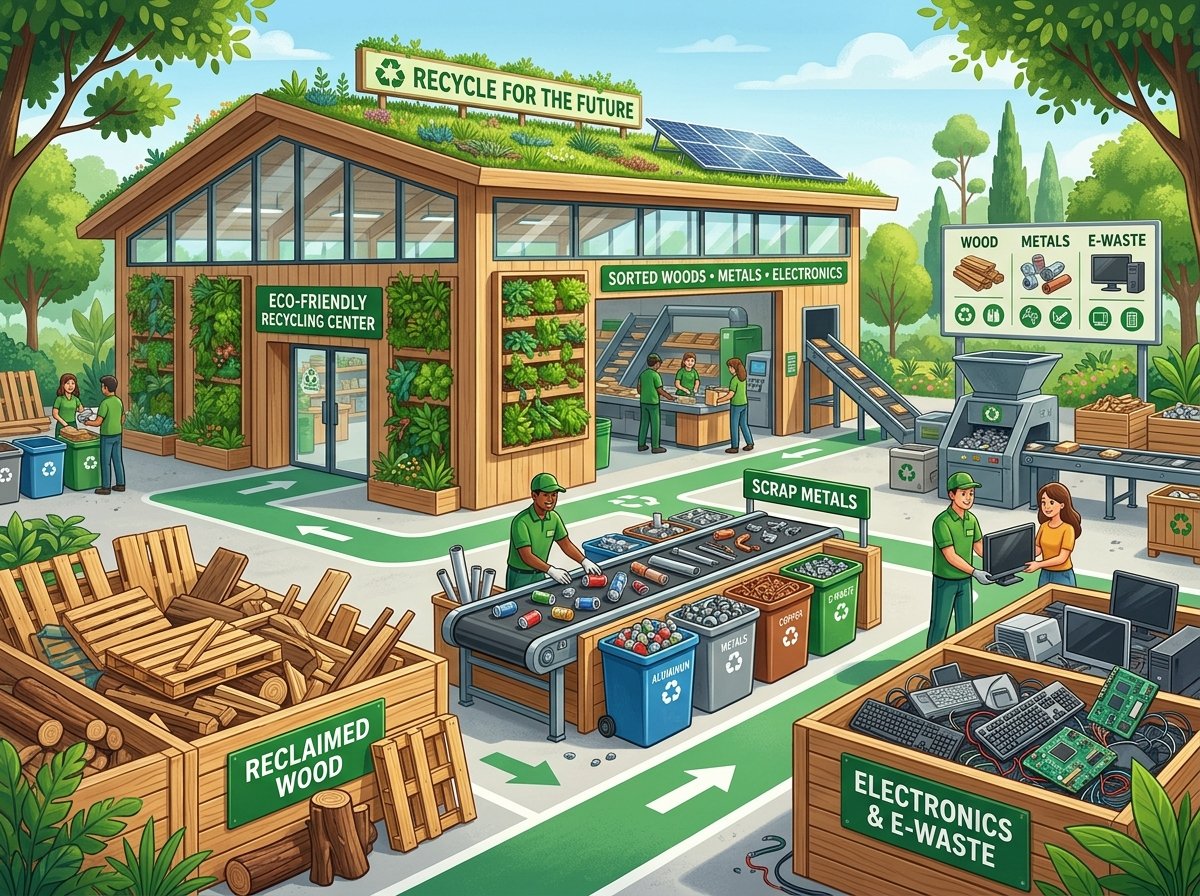
Unlike standard hauling companies that dump full truckloads indiscriminately into municipal landfills, Junk Harbor operates under a strict environmental charter designed to protect Indiana’s natural environment. Our objective is to divert a minimum of 65% to 80% of all collected materials away from regional landfills by coordinating with specialized reclamation facilities and charitable organizations.
1. Community Charity Donation Routing
Usable items, furniture, functional equipment, and clean household goods are carefully segregated, wrapped, and transported to our local non-profit partners:
- Habitat for Humanity of Greater Fort Wayne ReStore (46808): Accepts architectural salvage, solid wood furnishings, cabinetry, lighting fixtures, hardware, and functioning home tools to support local affordable homebuilding projects.
- The Fort Wayne Rescue Mission (46802): Receives clean mattresses, bedding, dressers, tables, clothing, and kitchenware to furnish transitional housing for individuals overcoming homelessness.
- St. Vincent de Paul Society of Fort Wayne: Distributes essential furniture and household goods directly to low-income families and seniors in acute financial distress.
- Itemized Donation Tax Documentation: For all qualifying donations, Junk Harbor provides the property owner or estate executor with official donation receipts for estate accounting and tax deduction filings.
2. Certified Scrap Metal Recovery & Industrial Foundries
Ferrous metals (steel, iron) and non-ferrous metals (copper, brass, aluminum) are delivered to licensed scrap metal processing foundries in Fort Wayne. Remelting recycled scrap metal consumes up to 90% less energy than virgin ore mining, eliminating tons of carbon emissions annually.
3. Aggregate Crushing & Clean Lumber Mulching
Concrete masonry rubble, patio pavers, and brick fragments are routed to aggregate processing yards where they are crushed into road base gravel. Untreated dimensional lumber and clean pallets are chipped into organic landscape mulch and biomass fuel.
Comprehensive Neighborhood & Regional Service Coverage in Northeast Indiana
Junk Harbor operates a dedicated fleet of high-capacity 16-foot box trucks providing prompt same-day and scheduled services across every municipality, historic district, and rural township in Northeast Indiana:
1. Fort Wayne Historic & Urban Core (46802, 46805, 46807, 46808)
Specialized cleanout logistics for historic multi-story homes in West Central, Southwood Park, Forest Park, North Anthony, and Lakeside. Our crews are experts at navigating narrow Victorian staircases, tight basements, and restrictive downtown street parking.
2. Southwest Fort Wayne & Aboite Township (46804, 46814)
Serving premier residential subdivisions including Covington Dells, Sycamore Hills, Chestnut Hills, and Illinois Road corridors. We provide white-glove cleanouts, multi-car garage transformations, heavy furniture extraction, and backyard structure removals.
3. North & Northeast Fort Wayne (46825, 46835, 46845)
Rapid hauling along Dupont Road, Coldwater Road, Maplecrest, and Pine Valley. Handling high-volume residential renovation debris, estate liquidations, and basement clearing.
4. New Haven (46774) & East Allen County
Full-service commercial and residential hauling across New Haven, Moeller Road, and Landin Road subdivisions and light industrial business parks.
5. Huntertown (46748) & Leo-Cedarville (46765)
Providing custom cleanouts, pole barn clearing, and suburban property decluttering across North Allen County.
6. Auburn (46706), Columbia City (46725) & Warsaw, IN (46580)
Extending complete hauling solutions to DeKalb, Whitley, and Kosciusko Counties, including lakefront cottage cleanouts on Winona Lake and Tippecanoe Lake.
Transparent Pricing Structure & Cost Factors Breakdown
At Junk Harbor, we believe that pricing transparency is essential for client confidence. We never quote deceptive low-ball figures or attach surprise fuel, mileage, or labor fees at the end of a job. Our pricing is determined strictly by the exact volume of space your items occupy in our custom 16-foot box truck (which holds the equivalent volume of 6 standard pickup truck beds):
| Volume Tier | Cubic Yard Equivalent | Typical Included Scope | Estimated Pricing Range |
|---|---|---|---|
| Minimum Single-Item Load | 1 to 2 cubic yards (1/12 truck) | Single appliance, small sofa, lawnmower, or water heater | $95 – $145 |
| 1/4 Truckload | 3.5 to 4.5 cubic yards | Small room cleanout, partial shed teardown, or 10-15 boxes + couch | $195 – $265 |
| 1/2 Truckload | 7.5 to 8.5 cubic yards | Full bedroom suite + dining set + patio set + major appliance | $345 – $445 |
| 3/4 Truckload | 11.5 to 13.0 cubic yards | Extensive garage or basement cleanout + outdoor structure debris | $495 – $595 |
| Full 16-Ft Truckload | 16 to 18 cubic yards (6 pickup beds) | Major whole-house estate volume, full shed/pool demolition, commercial cleanout | $645 – $795 |
Primary Variables Determining Your Final Estimate
- Total Cubic Volume: How much space the items occupy once efficiently dismantled and stacked by our professional loaders.
- Location on Property & Staircase Flights: Navigating narrow basement stairs, third-floor attics, or long distances from driveway access points.
- Disassembly Complexity: Custom built-in units, heavy mechanical items, or structures requiring reciprocating saw cutting.
- County Environmental Regulations: Special recycling fees mandated by Allen County for hazardous components like Freon compressors and commercial vehicle tires.
Case Study 1: 120,000 Sq Ft Perishable Logistics Distribution Center off US-30, Fort Wayne
A national grocery logistics provider decommissioned a 120,000 sq ft refrigerated distribution hub in East Fort Wayne following a consolidation to a regional super-center. The facility contained 45-foot drive-in pallet racking (180,000 lbs of structural steel), 6 rooftop evaporative condensers, and 14 ceiling-hung dual-discharge ammonia evaporators. Junk Harbor deployed EPA-certified ammonia recovery crews to reclaim 14,500 lbs of anhydrous ammonia, operated dual telehandlers to systematically dismantle 2,400 racking pallet positions over 10 days, and salvaged 92% of the structural steel for certified recycling at Fort Wayne metal foundries. The facility was delivered to the commercial property owner 4 days ahead of schedule, completely free of environmental liabilities.
Case Study 2: Blast Freezer Conversion to Ambient Storage in Southwest Fort Wayne
An industrial food packaging manufacturer near Ardmore Avenue required the complete teardown of a 35,000 sq ft -20°F blast freezer room within an active manufacturing facility to repurpose the space for dry corrugated packaging. Junk Harbor coordinated controlled 7-day thermal dehumidification to prevent building condensation, cold-cut and dismantled 65,000 sq ft of 6-inch insulated polyurethane panels without generating hot-work dust or smoke, and flush-ground 840 floor wedge anchors. The space achieved complete white-box signoff with zero disruption to adjoining production lines.
Comprehensive Extended FAQ Section
How do you safely evacuate thousands of pounds of refrigerant from commercial cold storage systems?
Junk Harbor partners with EPA Section 608 Universal certified industrial refrigeration technicians who utilize high-volume vacuum recovery skids. All refrigerants—whether HCFCs, HFCs, or anhydrous ammonia—are evacuated into certified pressure cylinders and transported to licensed recycling and re-refining facilities, accompanied by complete EPA compliance documentation.
Can insulated metal panels (IMPs) from cold storage facilities be recycled?
Yes. Whenever structurally sound, modular walk-in cooler panels are reclaimed for reuse in agricultural and industrial storage. For damaged panels, the galvanized steel facing is mechanically stripped from the foam core for scrap metal smelting, minimizing landfill disposal.
How do you handle heavy pallet racking removal without damaging the heated sub-slab?
Commercial cold storage slabs often sit atop specialized insulation boards and glycol heating coils. Our rigging teams utilize non-impact core extraction techniques and diamond flush grinding rather than heavy hydraulic prying, ensuring the concrete slab and subterranean heating loops remain completely undamaged.
What happens to the massive rooftop evaporative condensers during cleanout?
Rooftop evaporative condensers weigh between 8,000 and 25,000 pounds. Junk Harbor arranges mobile crane street permits with the City of Fort Wayne, rigs multi-point spreader beams to the condenser lifting lugs, and hoists units directly onto heavy-haul flatbeds for transport to scrap metal foundries.
How long does a typical 50,000 to 100,000 sq ft cold storage warehouse cleanout take?
A full turnkey cleanout—including refrigerant evacuation, racking teardown, evaporator rigging, and floor patch remediation—typically requires 10 to 18 operational working days, depending on racking density and building height.
11. Are your technicians background-checked and drug-tested?
Yes. Every member of the Junk Harbor team undergoes comprehensive criminal background checks and professional training in heavy lifting and property protection.
12. What happens if weather conditions are severe on my scheduled day?
We operate year-round through rain, snow, and cold. If severe blizzards or severe weather create unsafe driving conditions, our dispatch team coordinates with you to reschedule at the earliest available slot.
13. Do you offer commercial invoicing and corporate net-30 terms?
Yes. For established property management companies, commercial contractors, and corporate clients in Fort Wayne, we offer direct electronic invoicing and net-30 terms upon credit approval.
14. Can you provide same-day emergency cleanout service?
Yes! We reserve dedicated trucks each morning specifically for emergency, same-day service calls across Fort Wayne and Allen County.
15. How do I get an exact, guaranteed quote for my project?
Call our local dispatch desk or fill out our online quote form on our Contact Us page. We provide free on-site consultations with guaranteed written flat rates.
Decommissioning, Demolishing, or Repurposing a Commercial Cold Storage Facility or Refrigerated Distribution Center in Fort Wayne?
Contact Junk Harbor for fast, reliable Commercial Cold Storage & Refrigerated Warehouse Cleanout across Fort Wayne, IN. Get your upfront, guaranteed flat quote today!